
Introduction
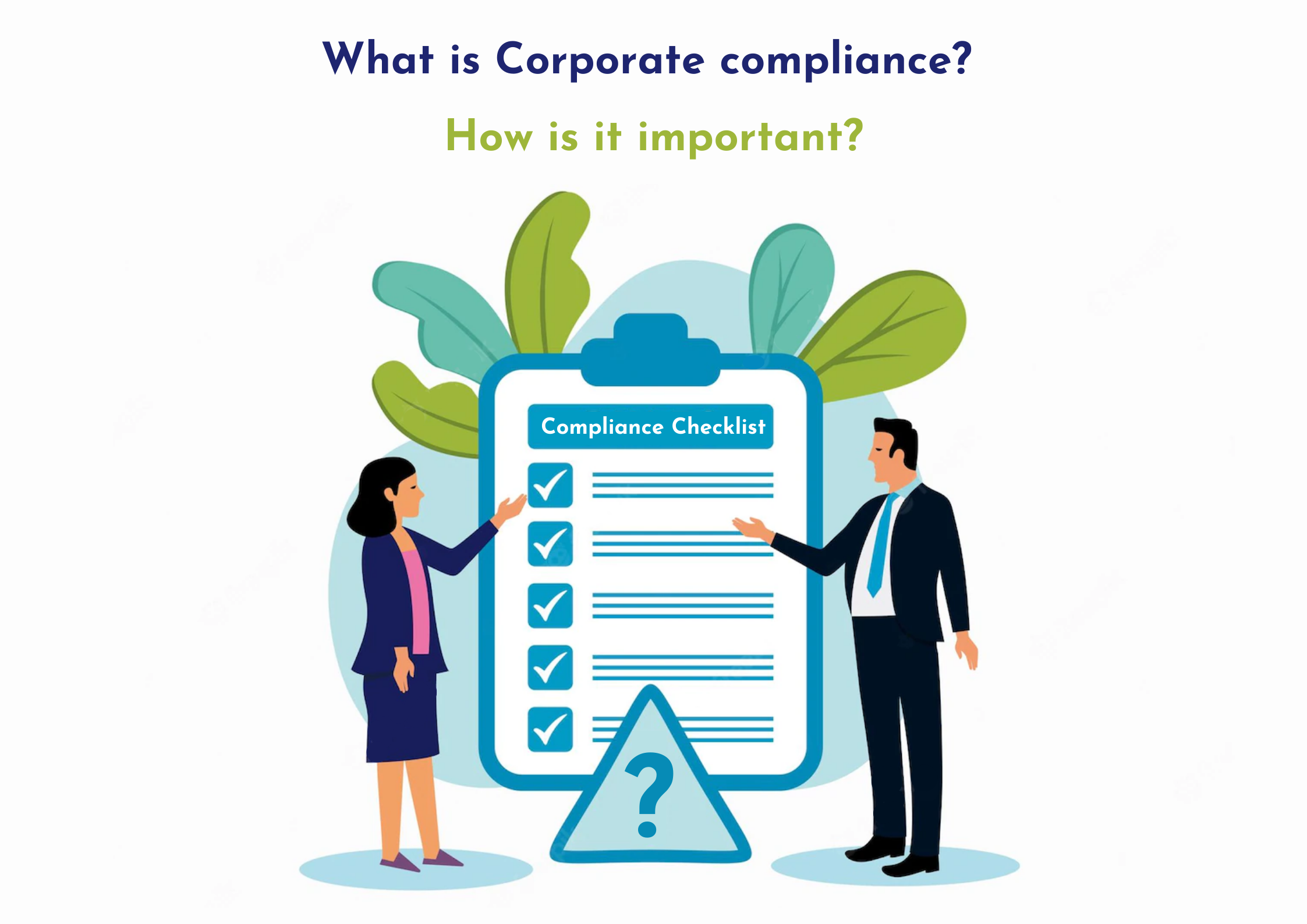
Registering a US LLC or a UK LTD is a significant milestone, but it is not a “one-and-done” task. In the eyes of the government, a business is a living entity that requires regular maintenance. Corporate compliance is the set of rules, regulations, and practices that ensure your business remains in “good standing” with the jurisdiction where it was formed.
For international entrepreneurs, staying compliant is the ultimate insurance policy. It protects your personal liability shield, keeps your business bank accounts operational, and ensures your presence on global marketplaces remains uninterrupted. This guide breaks down the essential pillars of compliance for US and UK entities, helping you avoid the costly penalties and legal risks associated with administrative neglect.
1. Annual Reports and Franchise Taxes
Most jurisdictions require businesses to file a report every year to confirm or update basic information, such as the registered agent’s address and the names of the managers.
- US LLCs (The Annual Report): States like Wyoming require an “Annual Report” and a small fee (e.g., $60). In Delaware, LLCs pay a flat “Franchise Tax” (e.g., $300) due by June 1st every year. Missing these deadlines typically results in immediate late fees and, eventually, the state revoking your right to do business.
- UK LTDs (The Confirmation Statement): In the UK, you must file a “Confirmation Statement” (formerly the Annual Return) with Companies House at least once a year. This confirms that the information held on the public register—such as the registered office address and shareholder details—is accurate.
2. Tax Compliance and Informational Filings
Even if your entity owes zero dollars in actual tax (common for many non-resident single-member LLCs), you are still legally required to file informational tax returns.
- Form 5472 and Form 1120: For a foreign-owned US LLC, the IRS requires Form 5472 to report “reportable transactions” between the LLC and its foreign owner. Even if no tax is owed, the penalty for failing to file this specific form is currently $25,000 per year.
- UK Corporation Tax Returns (CT600): A UK company must file a Company Tax Return with HMRC every year, even if the company made a loss or has no tax to pay.
3. Record Keeping and “Corporate Veil” Protection
To maintain the protection of limited liability, you must treat the business as a separate legal person. This is known as maintaining the “corporate veil.” If you treat the business bank account like a personal wallet, a court can “pierce the veil,” making you personally liable for business issues.
- Meeting Minutes and Resolutions: While many states do not legally require LLCs to keep minutes, doing so is a “best practice.” If your business makes a major decision—like opening a new bank account or hiring a high-level contractor—you should document it with a simple written resolution.
- Strict Financial Separation: Never mix personal and business funds. All business income must go into the business bank account, and all business expenses must be paid from that account.
4. The Certificate of Good Standing
The ultimate proof of your compliance is the Certificate of Good Standing (sometimes called a Certificate of Existence or a Status Letter). This document is issued by the government and confirms that your entity has filed all required reports and paid all necessary fees.
You will typically need this document when:
- Opening or updating a high-level corporate bank account.
- Registering to do business in a second state or country.
- Providing proof of business legitimacy to major marketplaces or payment processors during an audit.
Conclusion
Corporate compliance is the price of protection. By automating your filing reminders, maintaining strict financial separation, and understanding the specific tax forms required for foreign owners, you transform compliance from a source of anxiety into a routine administrative task. In the global e-commerce arena, a compliant business is a scalable business.